
205 - 13 Flowers in French
In this episode, you'll learn the name of 13 flowers in French. 🌹🌼
After the lesson, head over to the French Made Easy Exercise Library to practice!
Listen to the episode on Apple Podcasts or Spotify.
Links & Cheat Sheet:
Lesson cheatsheet: 13 Flowers in French 📝
Lesson exercises: French Exercises Library 📚
Transcript
Bonjour à tous, hello everyone, and welcome back to the French Made Easy podcast. This is episode 205, numéro 205.
Today, we’re learning 13 common flowers in French. 🌸
We’ll go through each flower name, and I’ll give you an example sentence, so you can hear how it’s used in context. And of course there are so many different flowers so we’ll probably do a part 2 of this episode soon.
Now before we start… if you’re new to the podcast, welcome! Make sure you have your lesson cheat sheet handy so you can see the spelling of the words while you listen.
And once you’ve listened to the episode, head over to the French Made Easy Exercise Library to download your exercises and practise what you’ve learned today.
Everything is linked for you in the episode notes, and it’s free.
Alright, let’s get started. Don’t forget to repeat after me to practise your pronunciation as well.
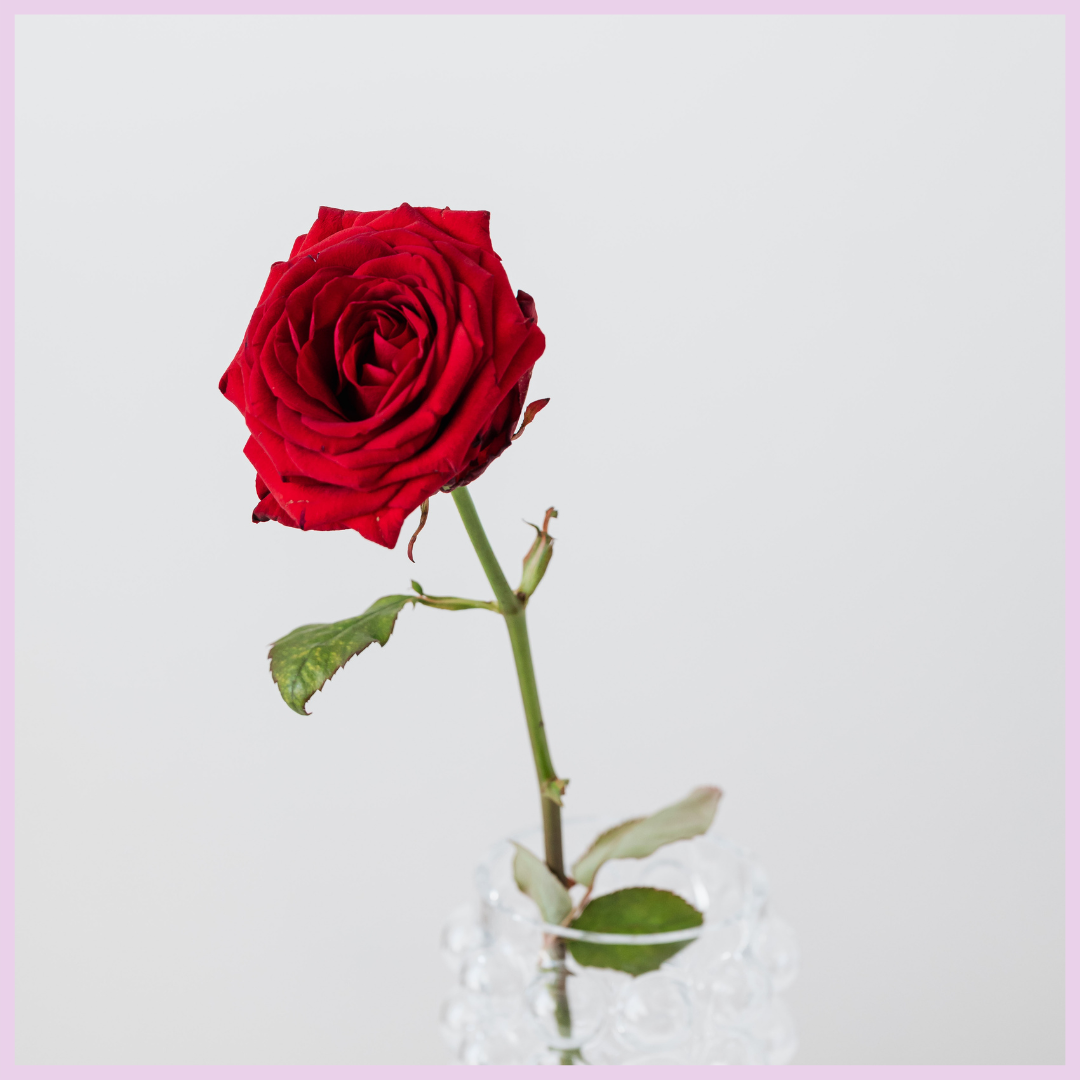
la rose (rose)
Il offre une rose à sa femme. (He gives a rose to his wife.)
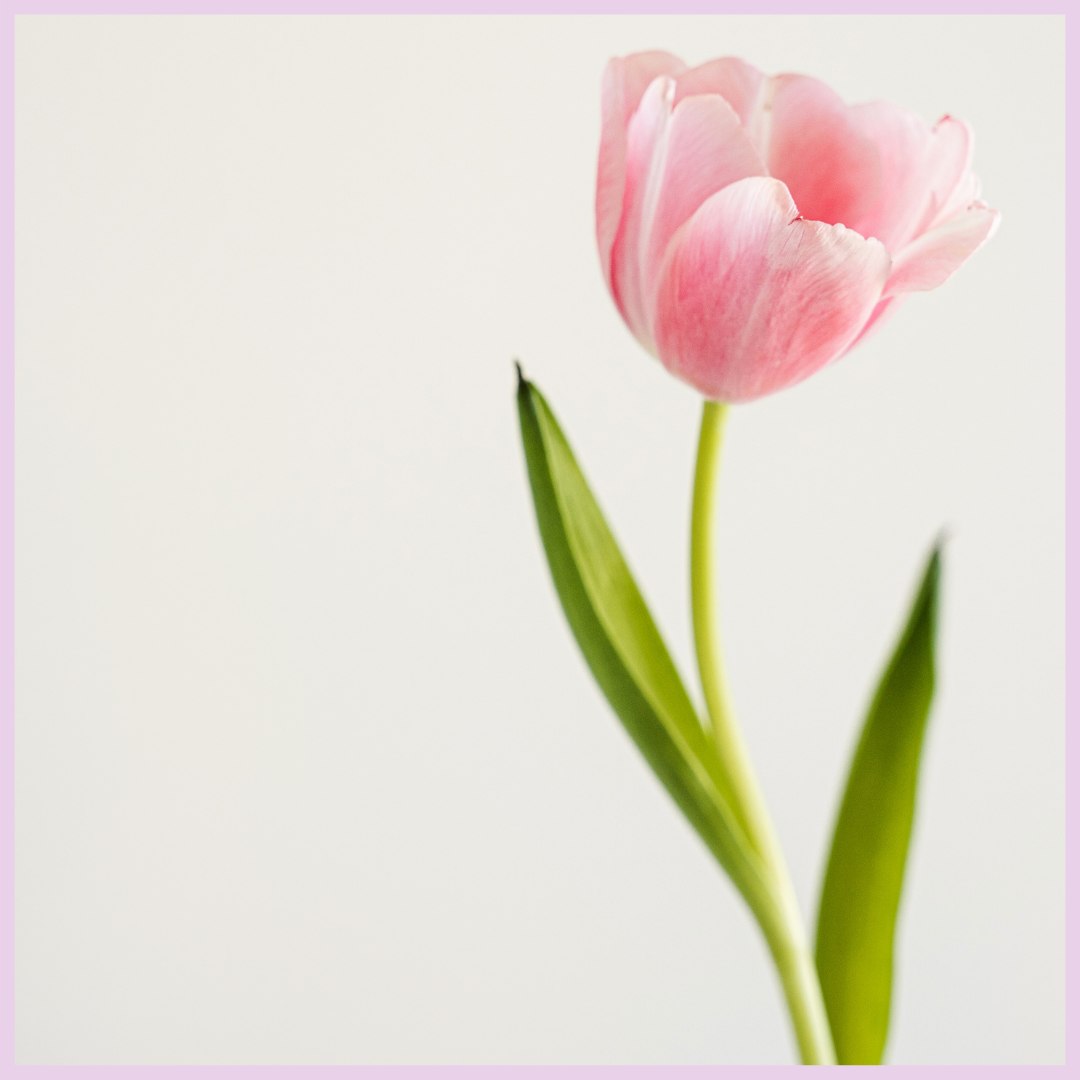
la tulipe (tulip)
Les champs de tulipes aux Pays-Bas attirent beaucoup de visiteurs. (The tulip fields in the Netherlands attract many visitors.)
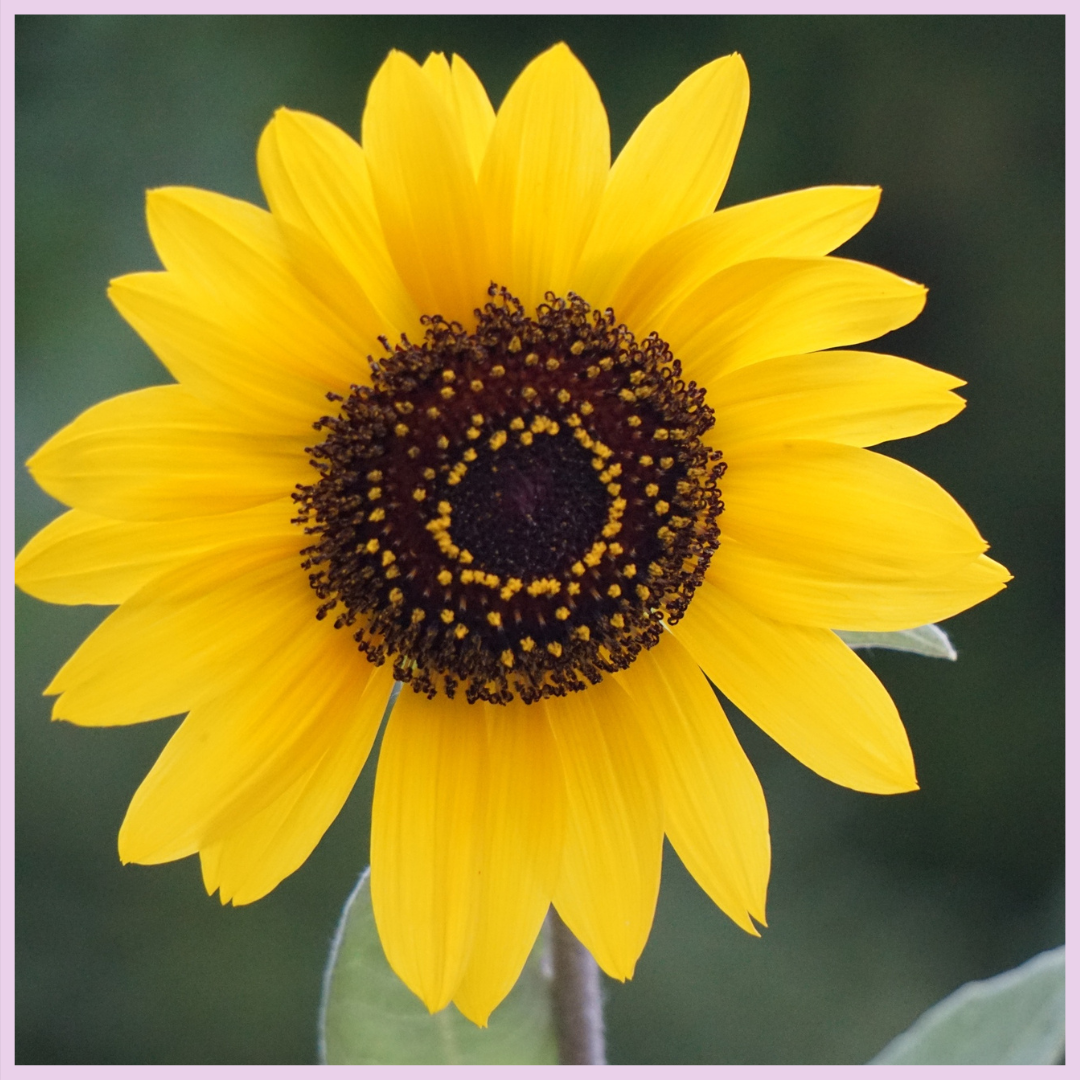
le tournesol (sunflower)
Les tournesols suivent le soleil. (Sunflowers follow the sun.)
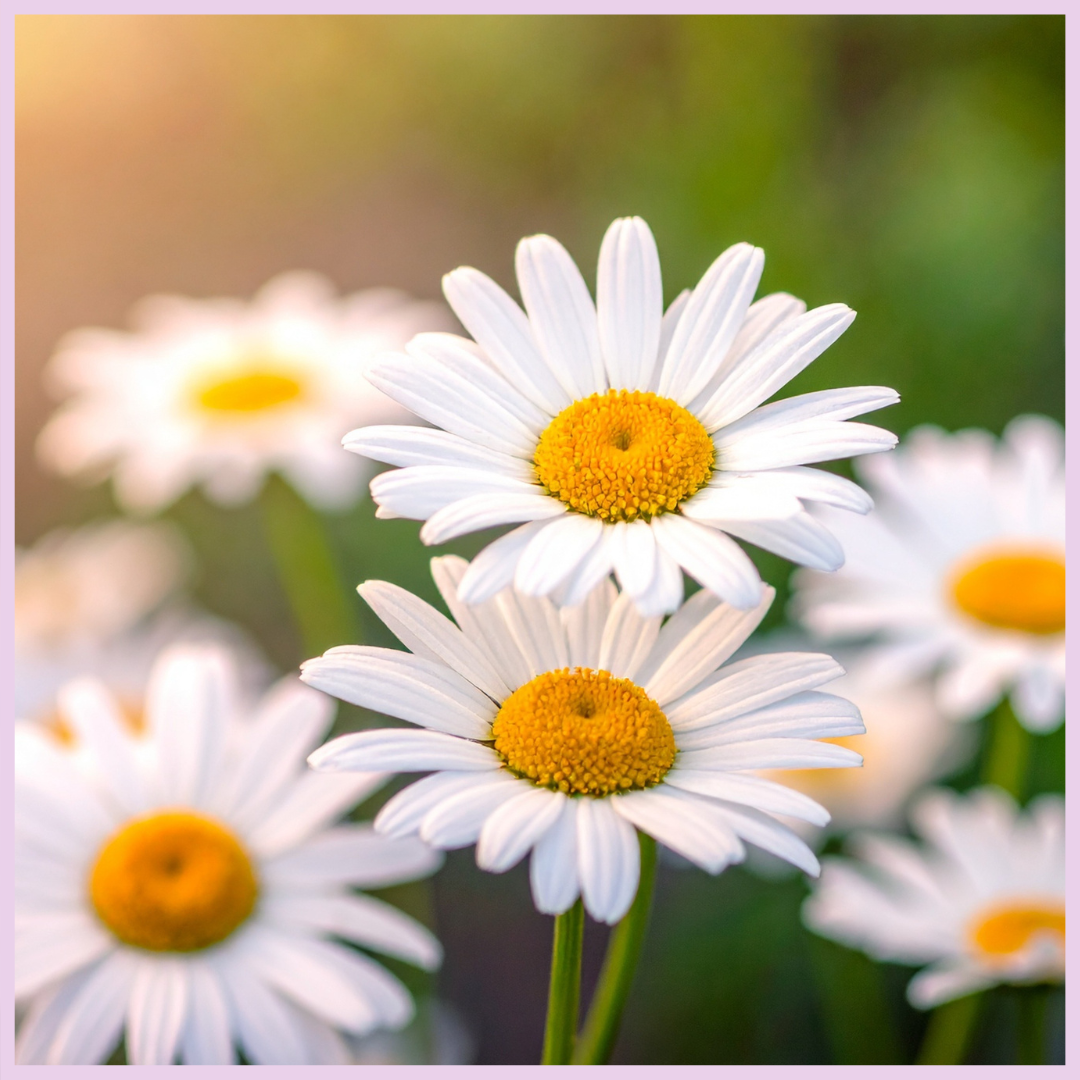
la marguerite (daisy)
Les enfants cueillent des marguerites dans le jardin. (The children pick daisies in the garden.)
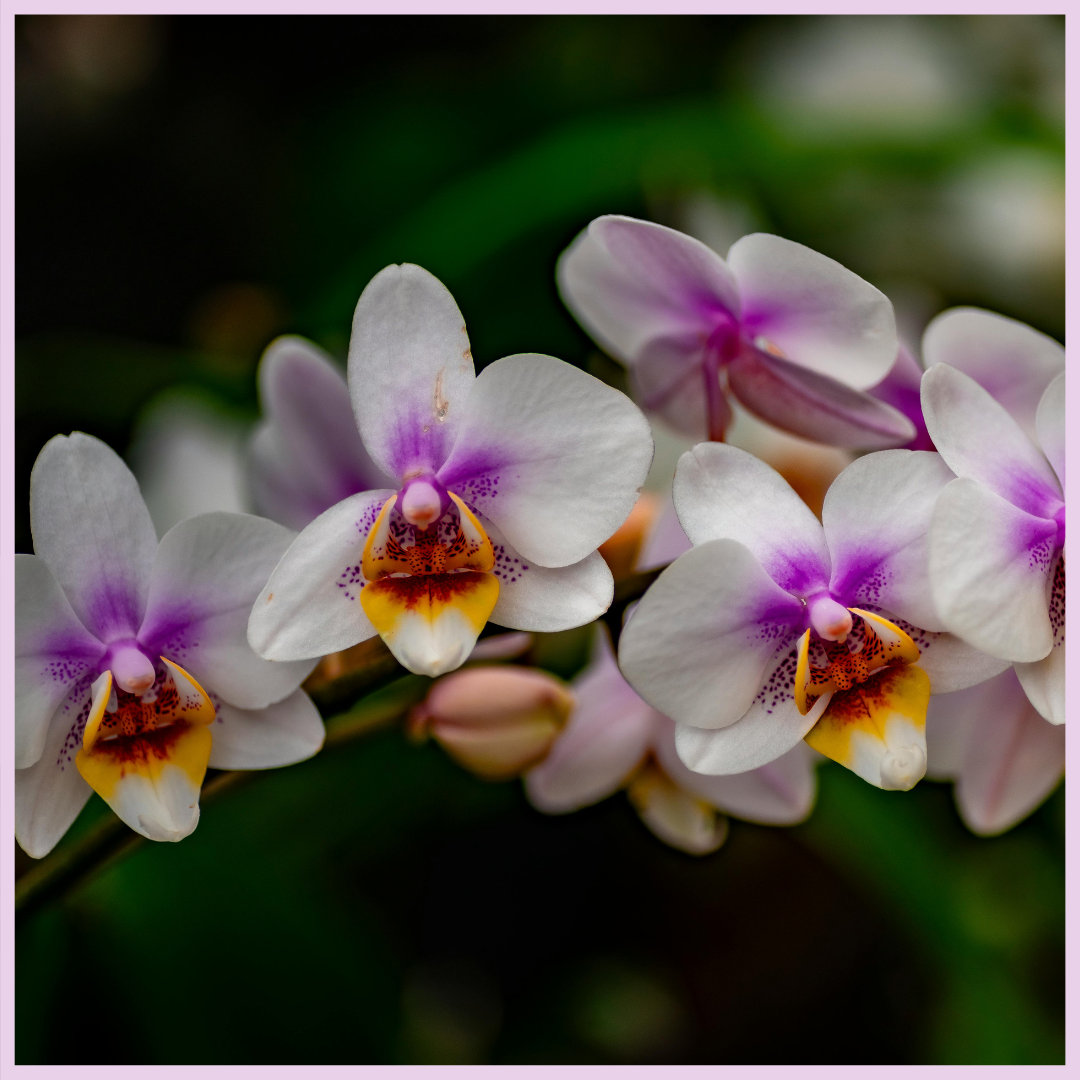
l’orchidée (orchid)
Cette orchidée fleurit chaque année. (This orchid blooms every year.)
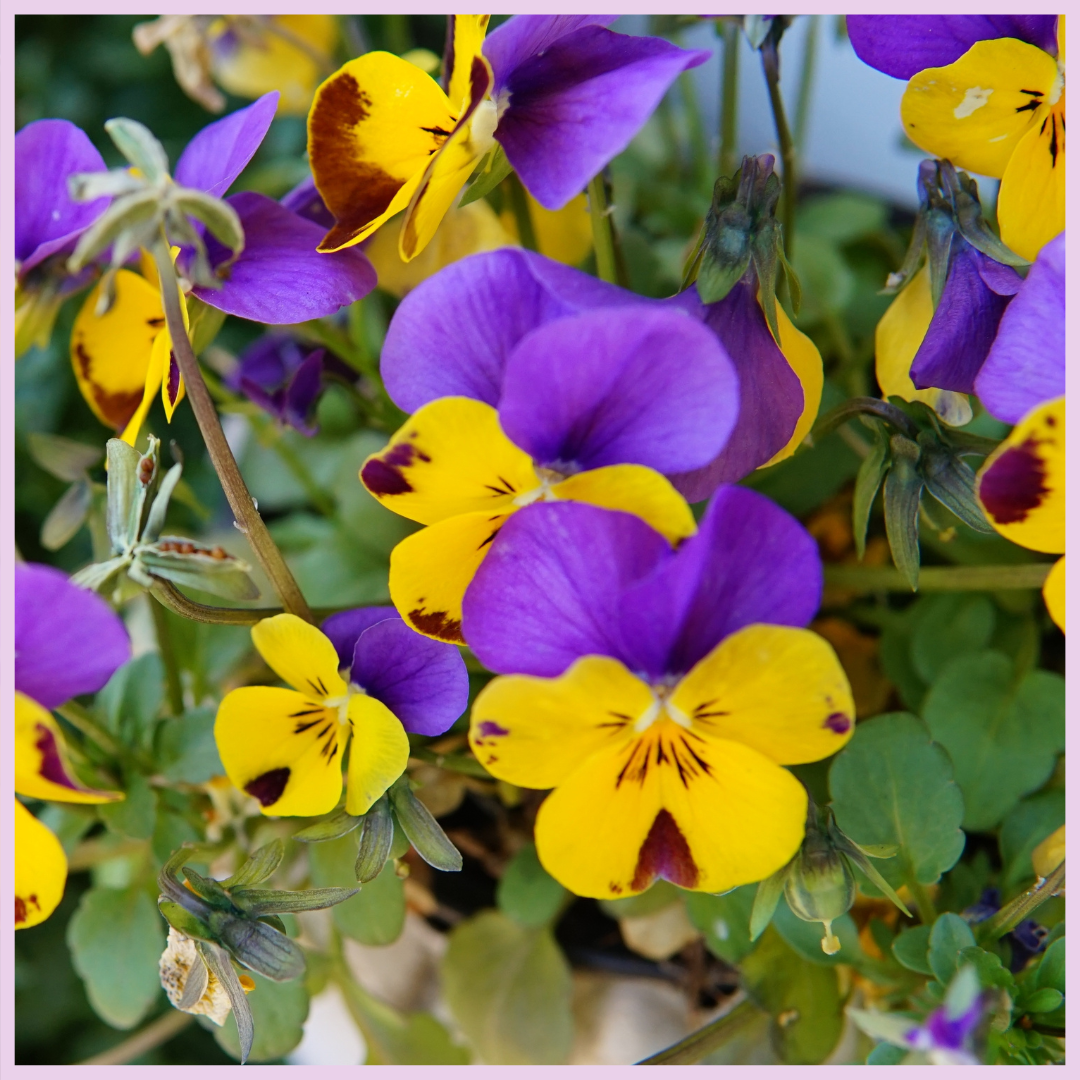
la violette (violet)
Les violettes ajoutent de la couleur au jardin. (Violets add colour to the garden.)
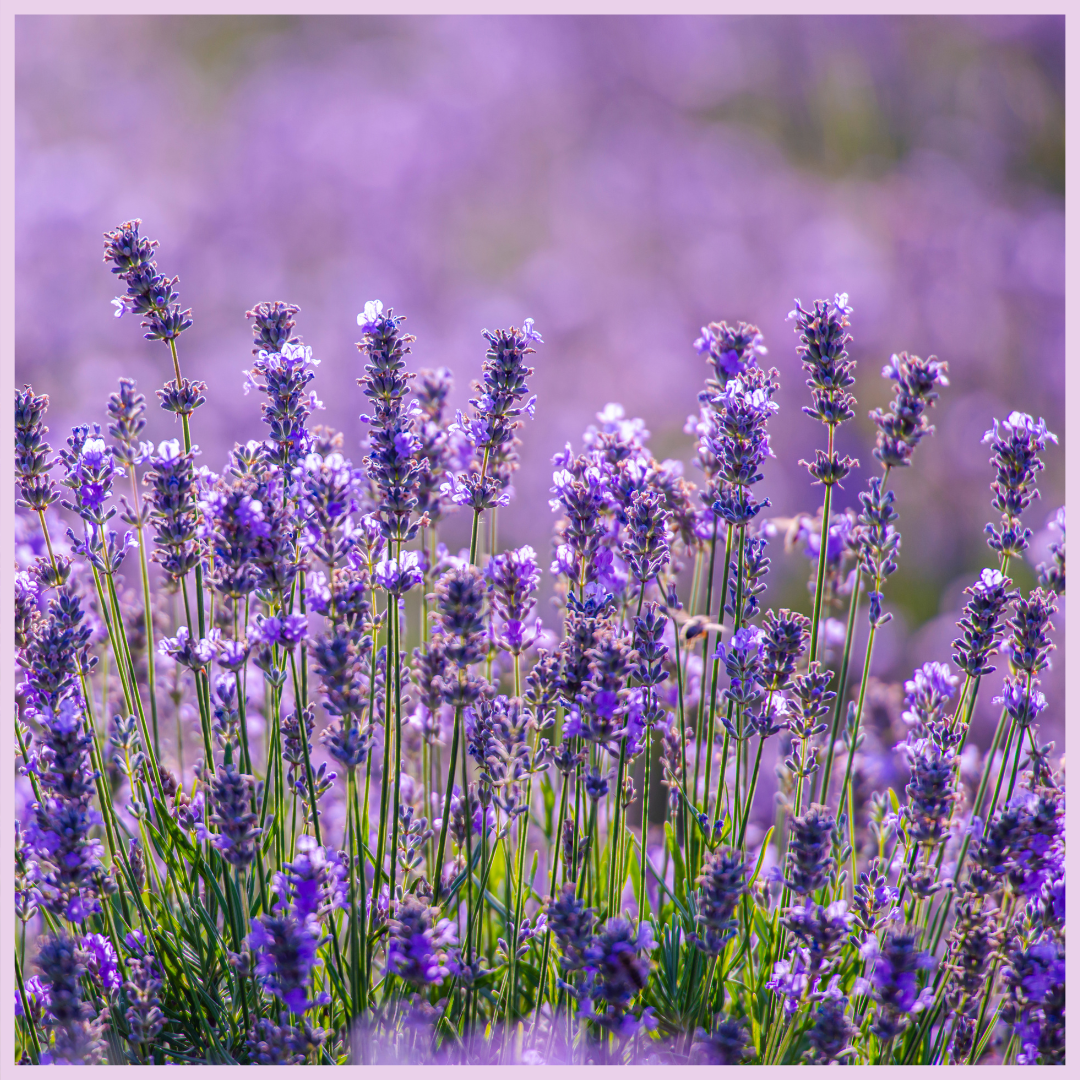
la lavande (lavender)
La lavande parfume les champs de Provence. (Lavender perfumes the fields of Provence.)
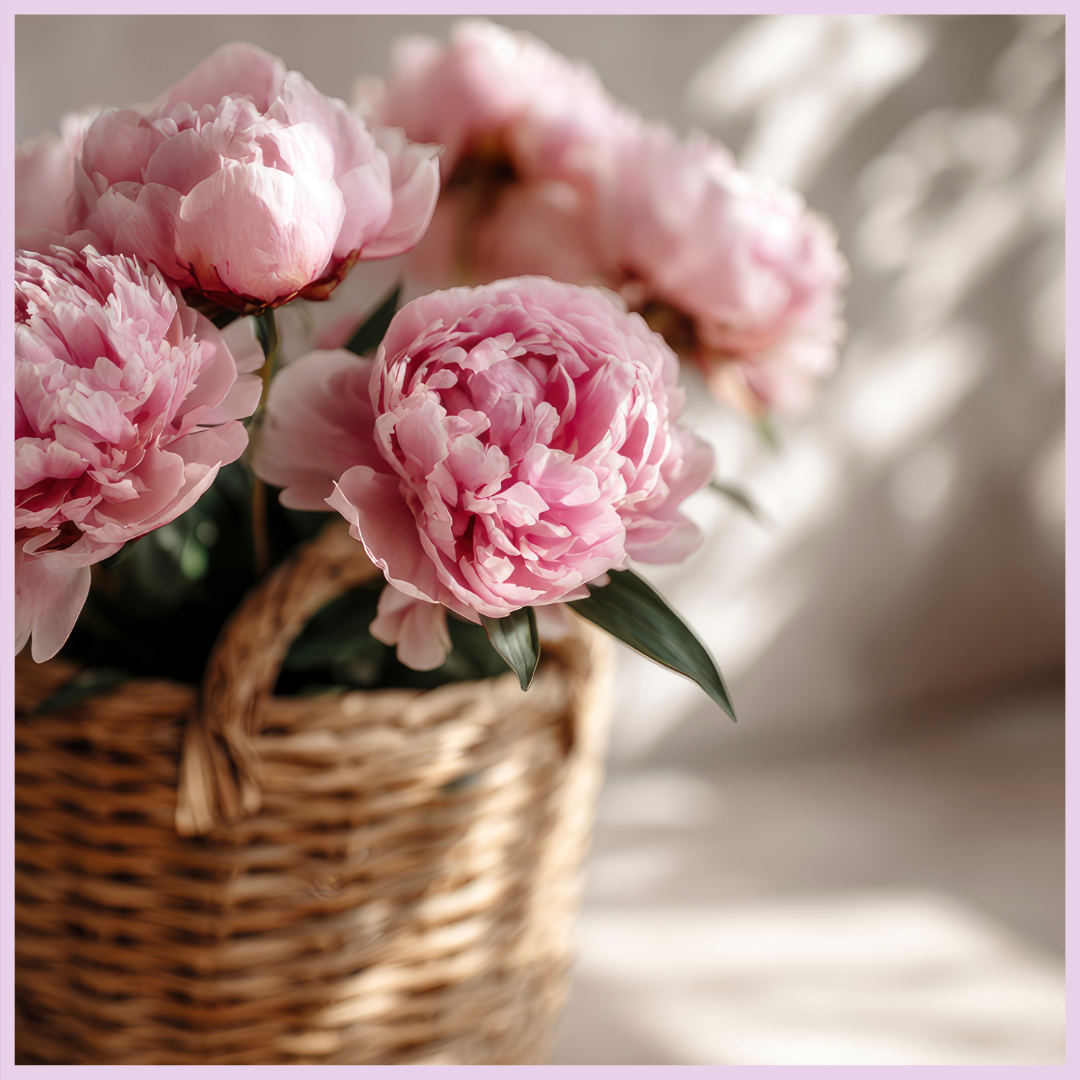
la pivoine (peony)
Les pivoines fleurissent au mois de mai. (Peonies bloom in the month of May.)
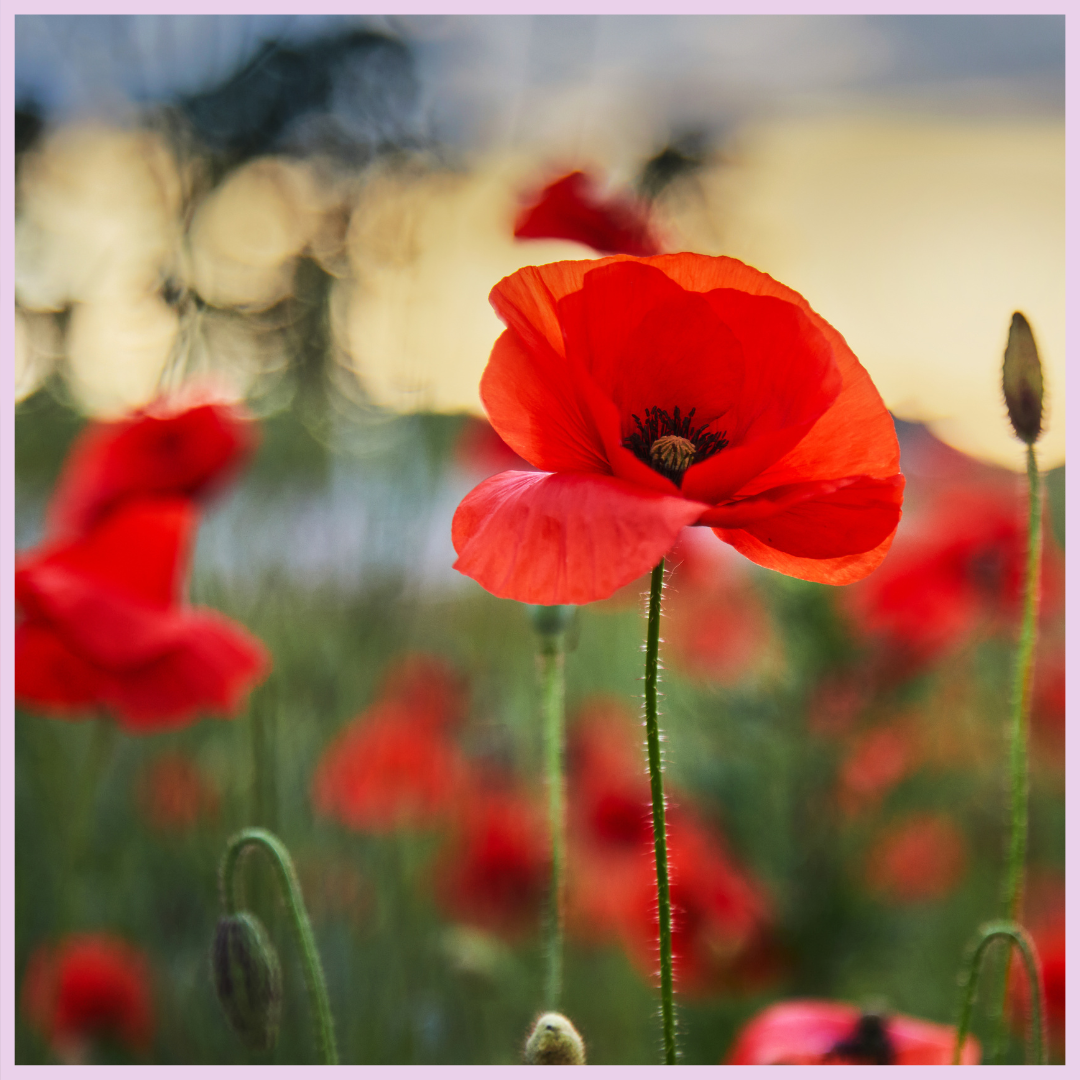
le coquelicot (poppy)
Le coquelicot est rouge. (The poppy is red.)
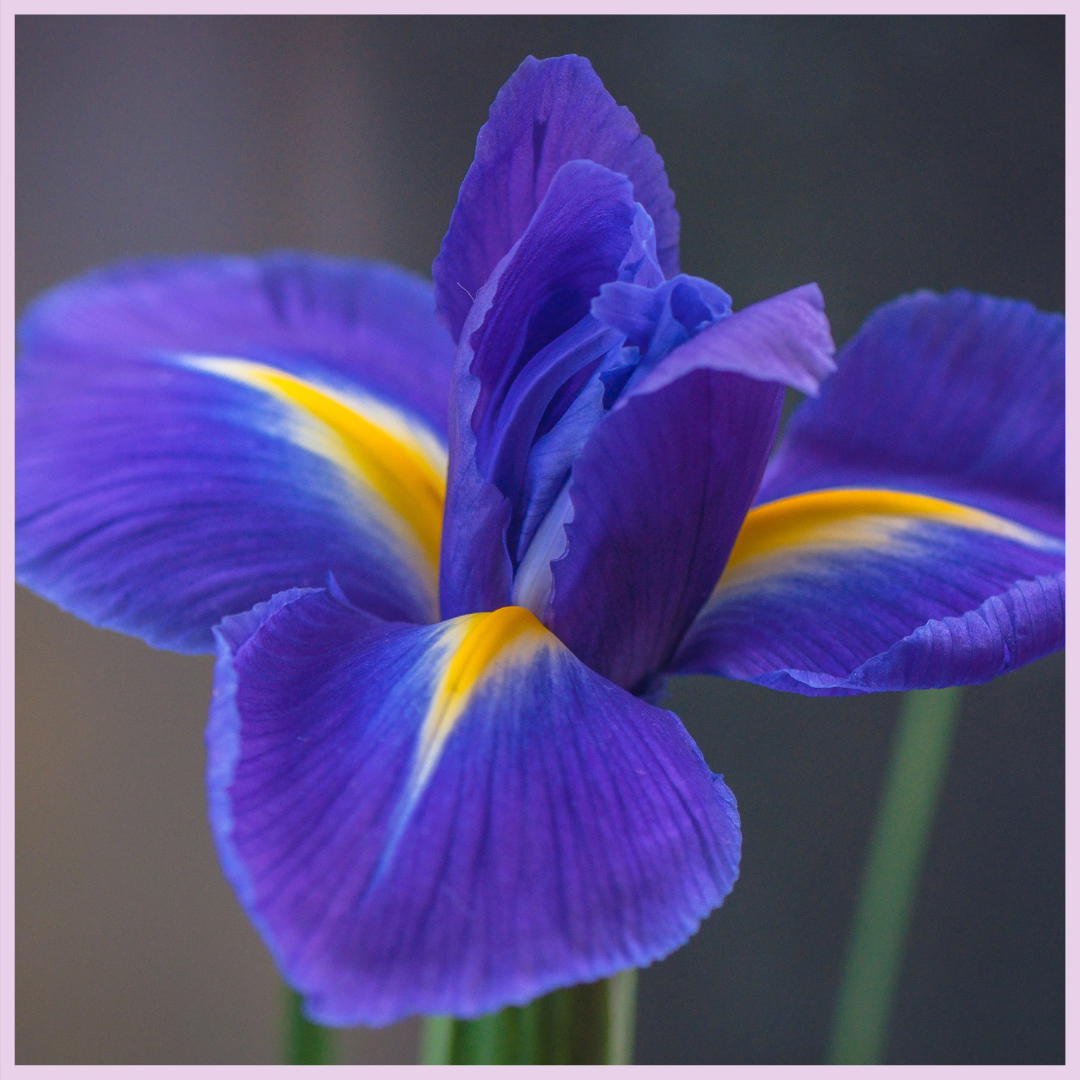
l’iris (iris)
Elle plante des iris dans son jardin. (She plants irises in her garden.)
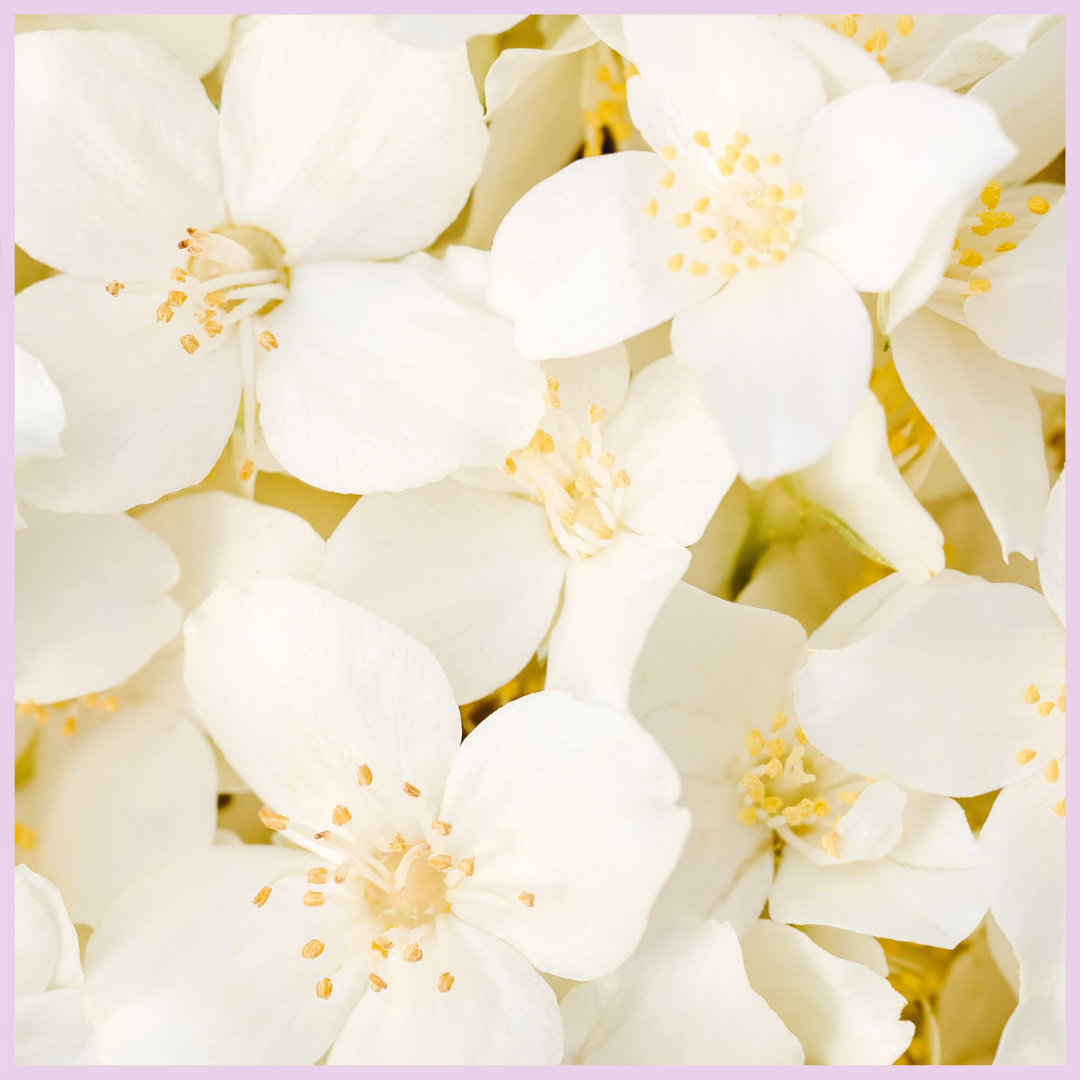
le jasmin (jasmine)
Le jasmin sent très bon. (Jasmine smells very good.)
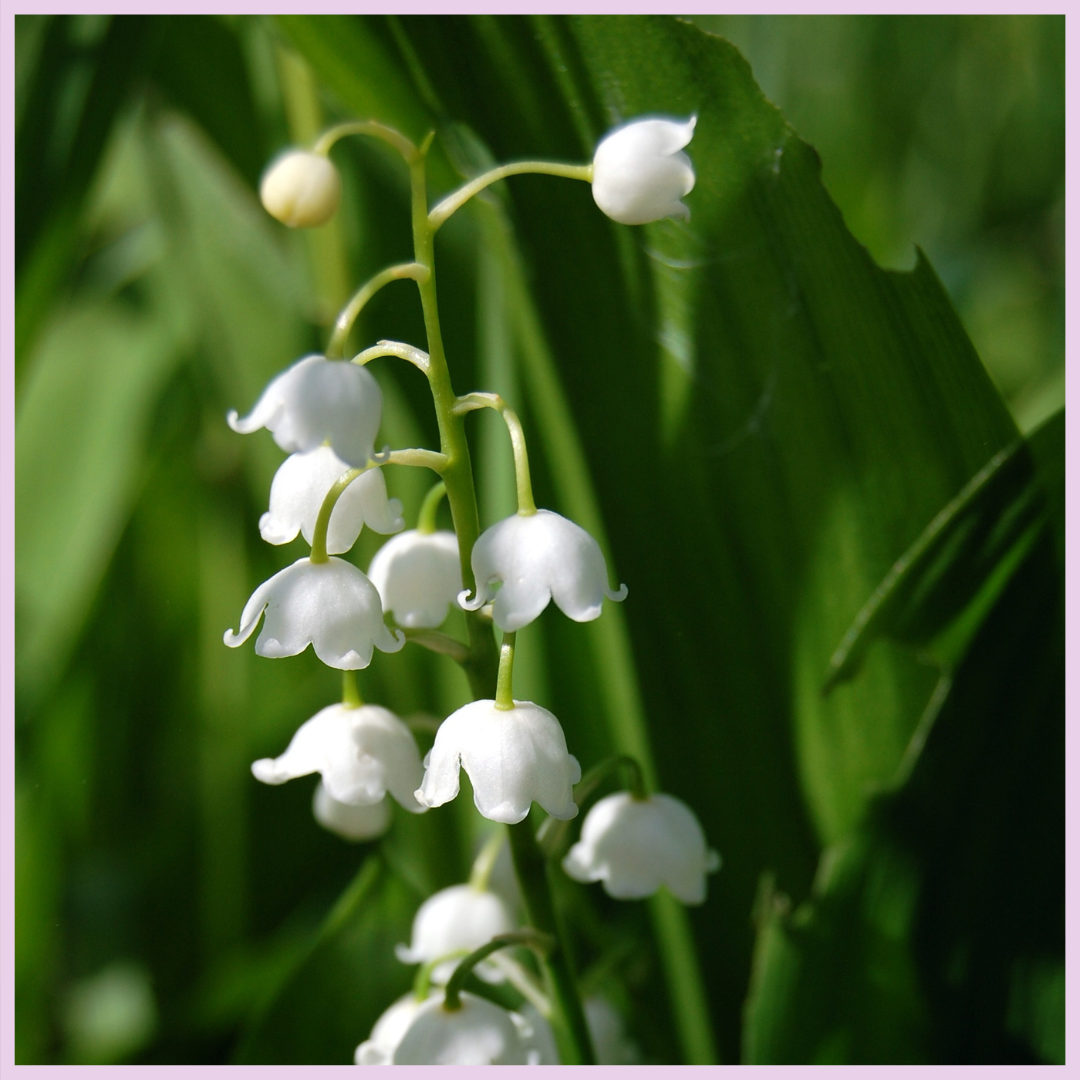
le muguet (lily of the valley)
En France, on offre du muguet le 1er mai. (In France, people give lily of the valley on May 1st.)
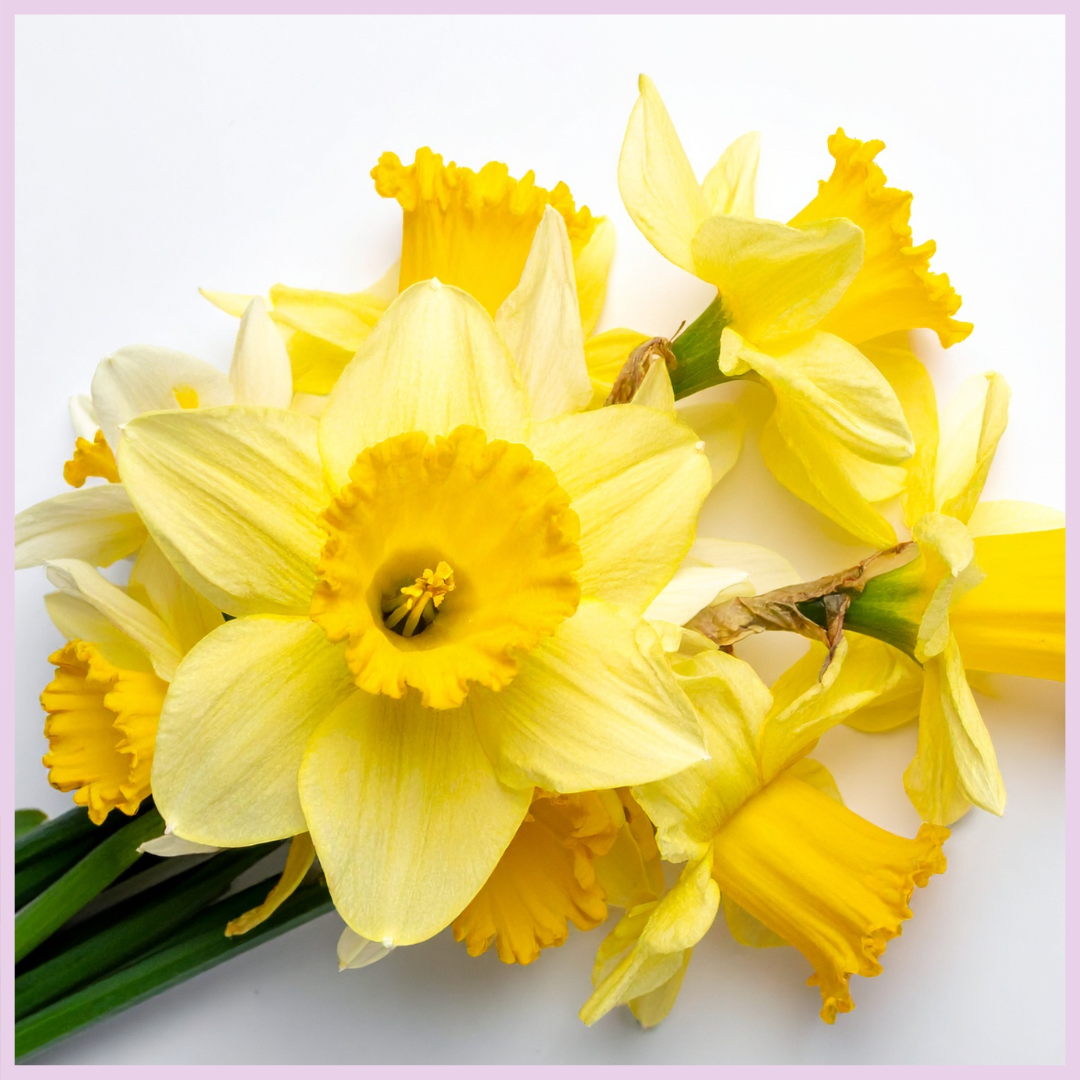
la jonquille 🌼 (daffodil)
Les jonquilles annoncent le printemps. (Daffodils announce the arrival of spring.)
Quick Recap
la rose (rose)
la tulipe (tulip)
le tournesol (sunflower)
la marguerite (daisy)
l’orchidée (orchid)
la violette (violet)
la lavande (lavender)
la pivoine (peony)
le coquelicot (poppy)
l’iris (iris)
le jasmin (jasmine)
le muguet (lily of the valley)
la jonquille (daffodil)
Et voilà ! That’s it for today.
Those are our 13 flower names in French. I hope you’ve enjoyed this vocabulary lesson. 😊
Don’t forget to head over to the French Made Easy Exercise Library to download your free exercises and practise what you’ve learned today.
All the links are in the episode notes on your podcast platform.
I’ll chat with you next week. À bientôt. Bye.